ACADEMY
AI in business
What AI can genuinely do in a business today, what has to be written down and tidy before it, and where AI projects usually get stuck.
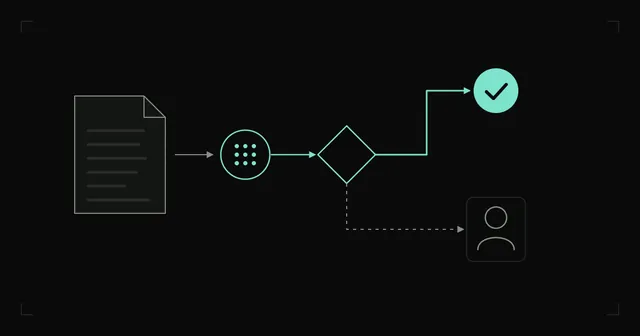
Before the AI assistant: write down who decides what
AI reads, sorts and drafts well, but can't know whose decision something is. Without written rules and a route for doubtful cases, its work goes nowhere.
4 min read
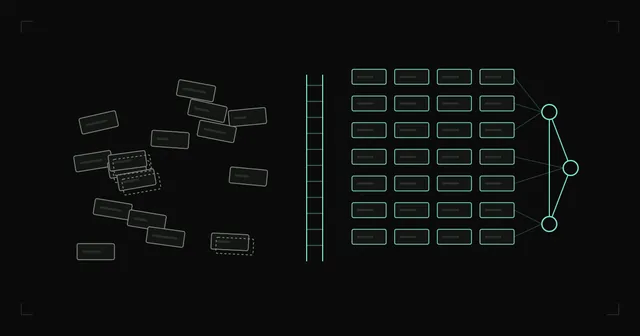
AI in retail is only as good as your product master data
Forecasts and recommendations learn from your data. If one product has three codes and returns are booked as negative sales, the AI learns the wrong lesson.
4 min read
More from the Academy (27)
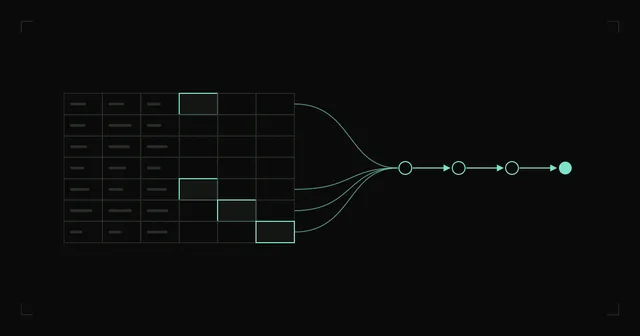
Excel is great at sums. The trouble starts when it runs the work
A spreadsheet is fine for sums and lists. Once statuses, deadlines and handovers run through it, mistakes go quiet. How to spot it, and what stays in Excel.
4 min read
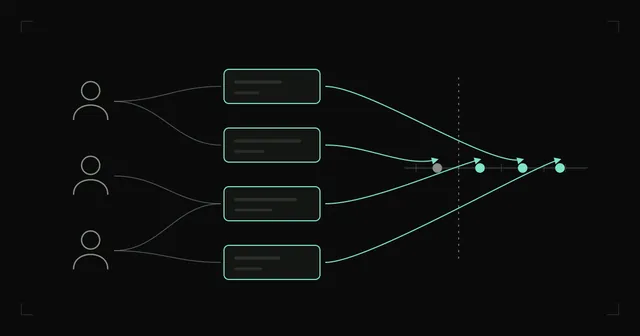
What a CRM actually does: people, open deals and the next step
The same name covers a contact list with a calendar and a system full of campaigns and surveys. What every CRM has in common, and how it differs from an ERP.
4 min read

The signs a business needs a CRM show up in small things, not reports
A customer gets two quotes from two salespeople, trade fair business cards sit in a drawer, and the sales meeting is spent recapping. What that tells you.
4 min read

A one-screen view of the business starts with definitions, not charts
Sales, warehouse and accounts give three numbers for one week, all of them right. Before any dashboard, agree what is counted, from where, and who acts.
4 min read
What owners get wrong about automation before they start
That it's only for big firms, must be flawless and means AI. The assumptions that stall or inflate a first automation project, and what holds instead.
4 min read

More turnover, same profit: where the difference goes
When sales grow but profit stands still, the gap rarely goes on stock. More often it goes on manual handling around every order. Here's how to check.
4 min read
People don't resist new software. They resist doing the job twice.
When staff work around a new system, stubbornness is rarely the cause. Usually they are doing the same job twice. What makes a rollout bearable for them.
4 min read
The ERP is live. So why is everything still agreed over the phone?
An ERP is excellent at books, stock and invoices. The agreements, approvals and exceptions between departments often stay outside it, in sheets and chats.
4 min read
From enquiry to delivery: how often do the same details change hands?
Follow one non-standard enquiry from the first call to delivery and you will see where work stalls. Usually not with people, but in the gaps between them.
4 min read
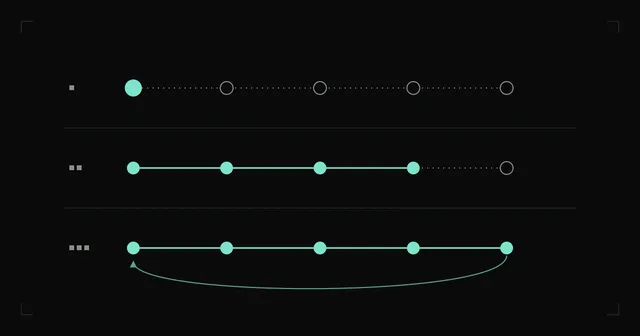
One step, a connected flow, the whole job: three things people confuse
When someone offers you automation, ask what exactly: a single step, a connected chain of steps, or the whole job end to end. The difference is large.
4 min read

A little different every time: the cost of work with no agreed sequence
Work done slightly differently each time can't be learned, measured or automated. How to agree a sequence without losing the flexibility you need.
4 min read
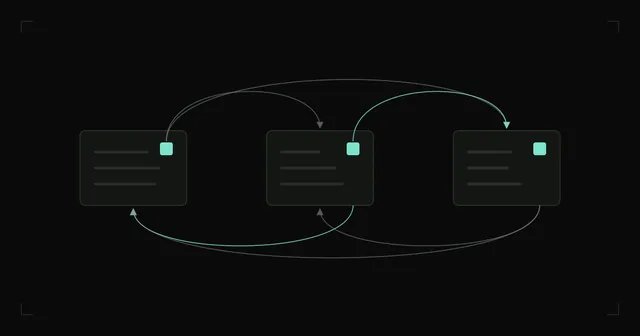
Online order, warehouse and courier: which system owns which data
When the shop, warehouse and courier do not share data, someone retypes it. Before connecting them, decide who owns which data and what happens to exceptions.
4 min read
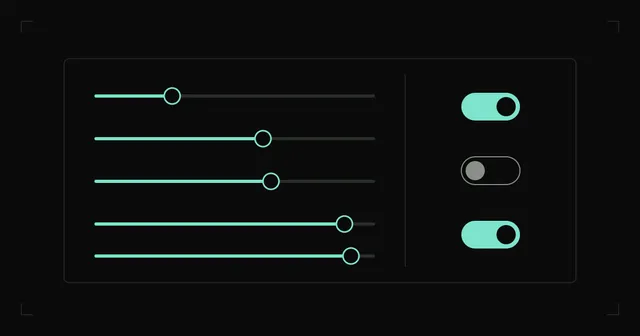
Do you need a developer every time a form changes?
A delivery charge, a deadline, an email template or an approval limit shouldn't wait for a developer. What the business should change itself, and what not.
3 min read

Every complaint has a deadline. Who is keeping an eye on it?
A complaint arrives by email, by phone or at the counter, and the clock starts. How to give each one an owner, a deadline and a trail, whoever took it.
5 min read
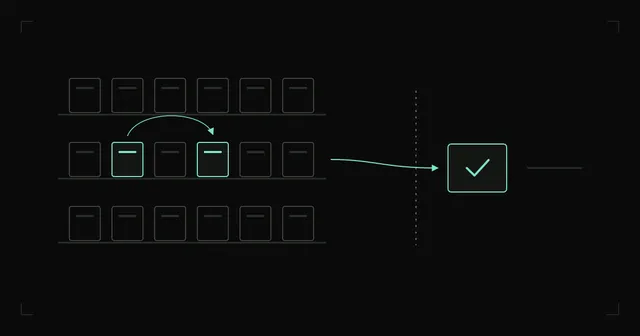
Wrong item in the box: where warehouse mistakes are really made
The wrong size or colour in a parcel gets blamed on the packer. The mistake usually starts earlier: in the product code, on the shelf or at packing.
4 min read

No-code, low-code or a system built for you: how to choose
No-code and low-code tools are perfectly adequate for plenty of work. How to judge when they are, when they aren't, and what to check before committing.
3 min read
Knowledge that lives in one person's head isn't a company asset
When only one person knows how something works, the business runs only while they do. How to move that knowledge into rules and systems, fairly.
4 min read

Before sales take off: what breaks first behind the scenes
An online store, a new shop or a big new customer can double the workload overnight. Where the back office chokes first, and how to check in good time.
4 min read
In retail, a broken process looks like an ordinary day
In retail a broken process is rarely visible, because staff quietly patch it every day. Where to look for it, and how to spot it before it gets expensive.
4 min read
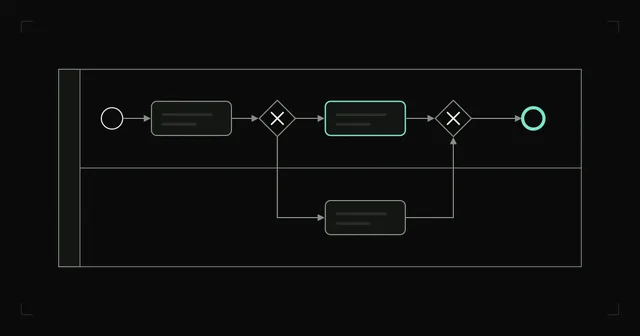
BPMN on one page: a process drawing both directors and developers can read
BPMN is a standard way to draw a process so everyone reads it the same way. What the basic symbols mean, when it pays off, and when a numbered list will do.
4 min read
Wholesale: where the terms agreed with each customer actually live
In wholesale each customer has their own prices, payment terms and credit limit. If those terms aren't where orders are entered, errors show up on the invoice.
4 min read
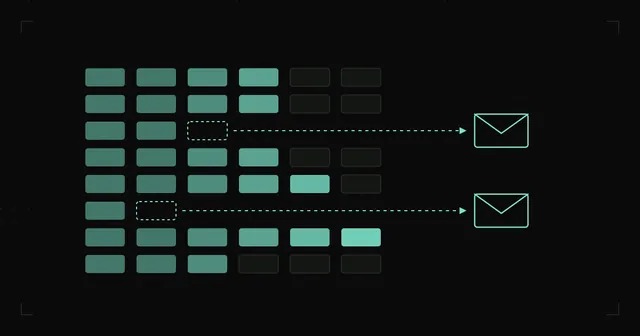
Accountancy practices: who has sent their paperwork this month, and who hasn't
A practice with many clients runs late not on bookkeeping but on paperwork that hasn't arrived. How to see the month client by client and automate reminders.
4 min read
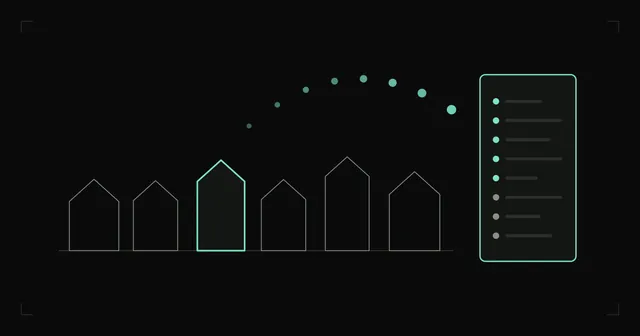
Estate agencies: the seller wants to know if anyone has viewed the flat
An agency works for seller and buyer alike. When each viewing is noted with what the buyer said, the seller gets a report and the agent the next conversation.
4 min read
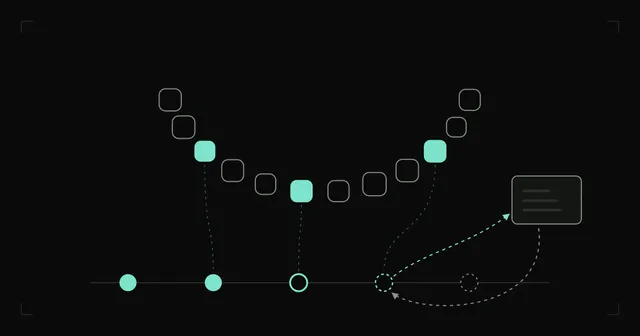
Dental practices: a treatment plan that doesn't stop after the first visit
The patient record keeps what was done, not what was agreed. How to make the treatment plan, appointments and lab work one record, so no plan stops halfway.
5 min read
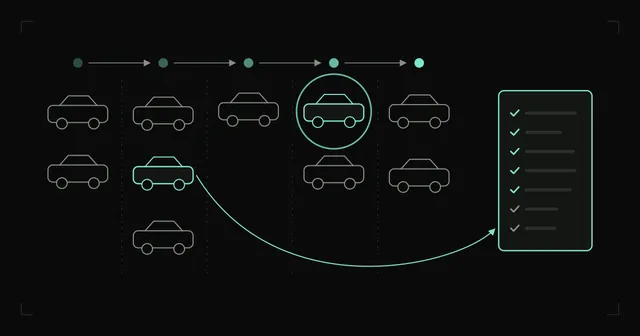
Car dealers: which car is where, who reserved it and what the buyer was told
Dealers rarely lose a car, but often lose what's known about it: that it's at the bodyshop, that a deposit was paid, what the buyer was told.
5 min read
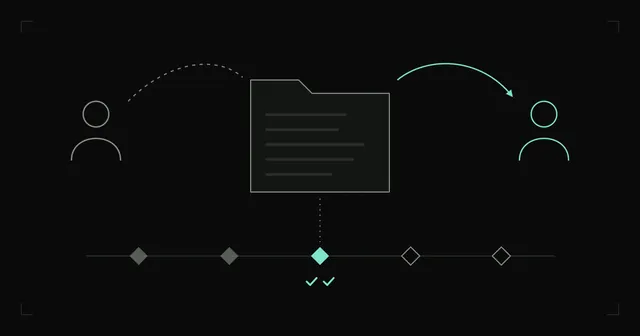
Law firms: a case file a colleague can take over in one morning
A lawyer is off sick and the hearing is at nine. What a case record needs so a colleague can take over without a call, and how software helps with deadlines.
4 min read
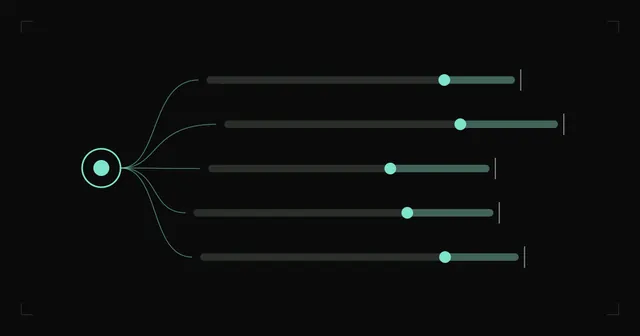
Insurance agents: what your software should remember for you
The insurer's app knows the policy, not the client. What an agent needs so renewals aren't spotted too late and promised calls don't stay in a notebook.
5 min read